21 Marco Lake Dr #8, Marco Island, FL 34145
Call Us : +1 (239) 686-1443
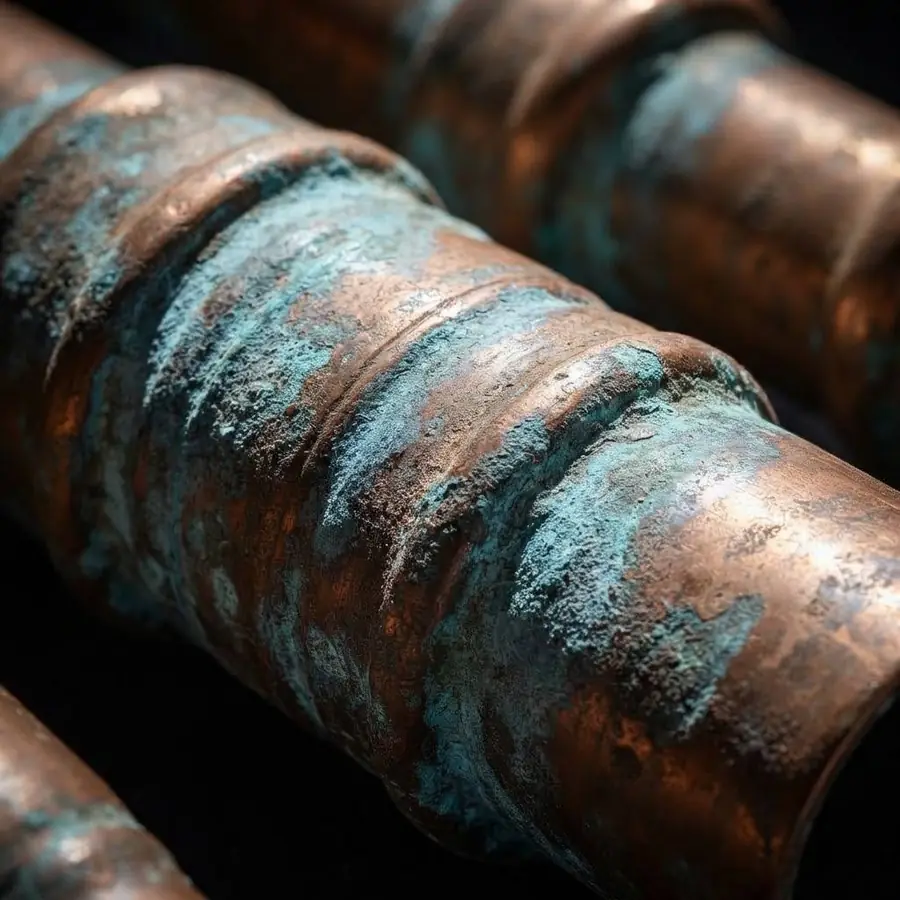
Marco Island sits within the most aggressive coastal-corrosivity band in Florida — within one to two miles of open salt water. Outdoor fittings, hose bibs, and gas meters take the brunt of it, and combined with a housing stock where 89.4% of homes are owner-occupied and many decades old, pipe failure shows up here on a different timeline than inland Florida.
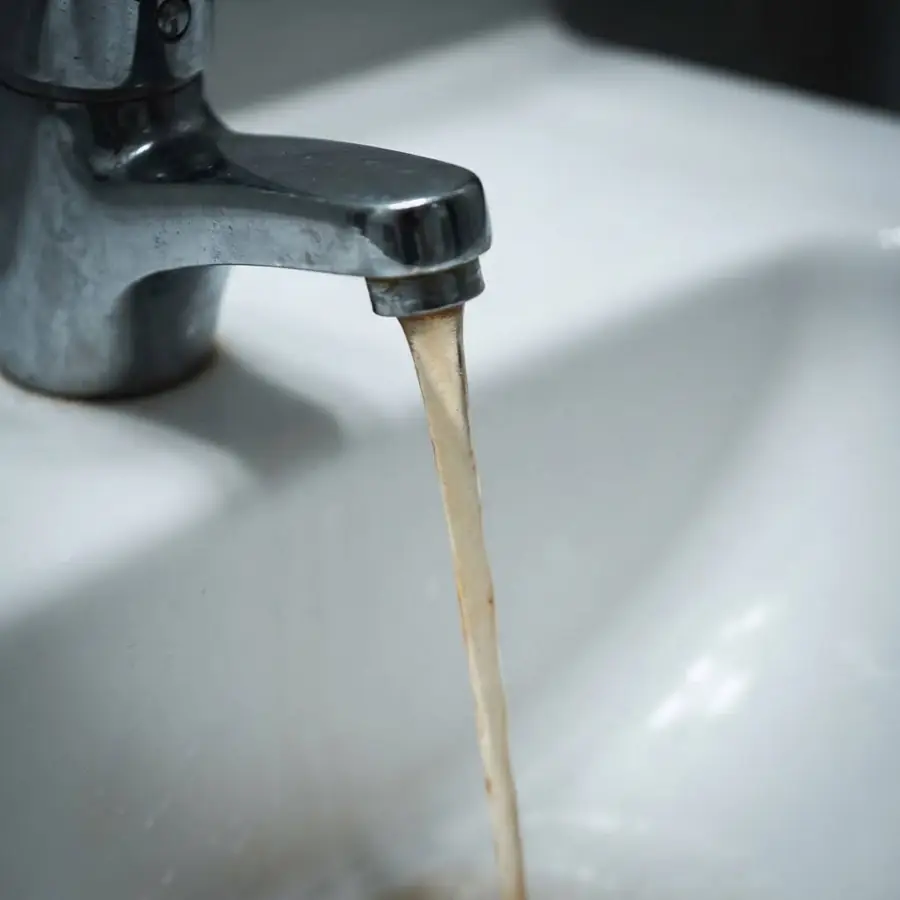
Discolored water, frequent pinhole leaks in different spots, and steadily dropping water pressure are the signs worth a real inspection — especially tied to the corrosion factors above.
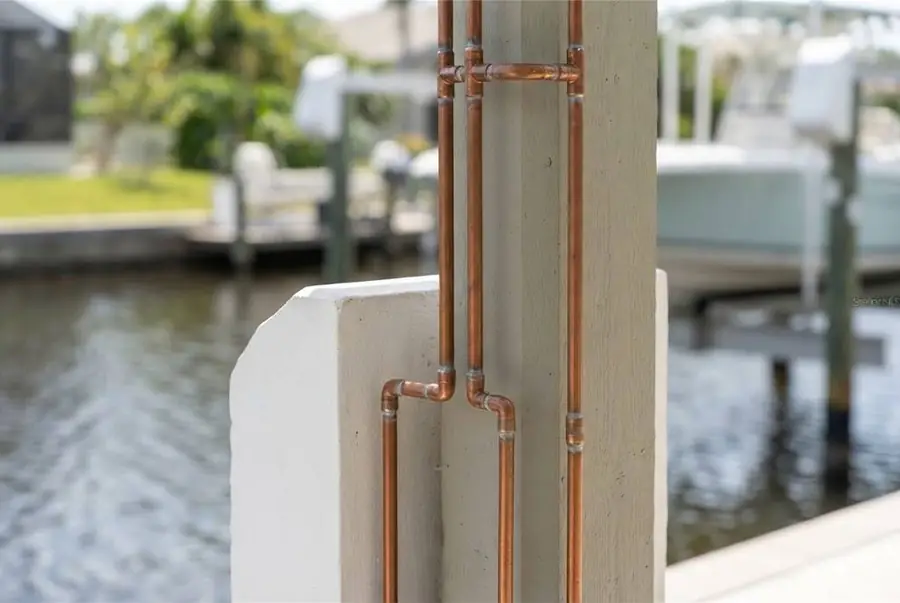
Boat-lift and outdoor-shower plumbing runs on waterfront properties face the most direct salt exposure on the island, and often show wear before the rest of the house does.
We inspect first, recommend a pipe material suited to this specific coastal environment, and phase the work to limit disruption — differently for an occupied home than for a seasonal one where timing is more flexible.
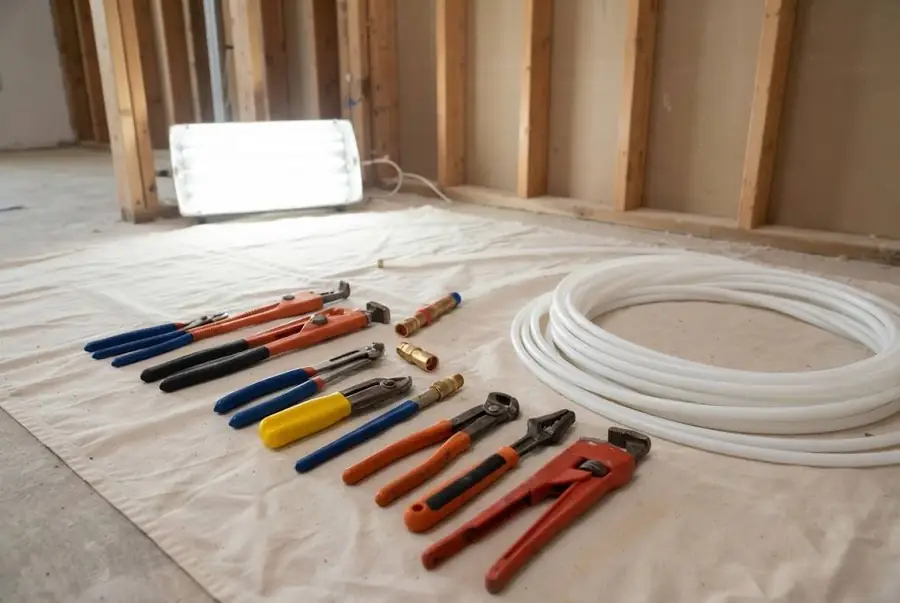
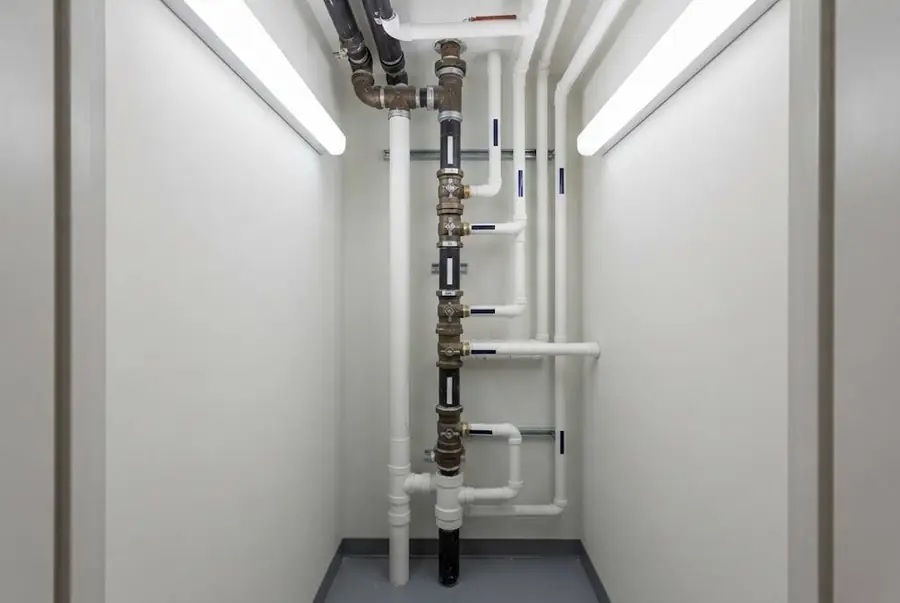
Shared-wall and vertical-stack plumbing in condo buildings adds coordination that single-family repiping doesn't require — we handle the HOA and building-access side of that directly.
The biggest hesitation we hear about repiping isn't the cost — it's the idea of living in a construction zone for weeks with walls opened up everywhere. The reality is usually more contained than people expect: work is typically phased room by room or section by section, water is only off during active work on that section, and most homes stay livable throughout, though it's fair to say it's not a quiet week.
For a seasonal home, we can often phase things differently — concentrating the work while you're away rather than trying to minimize disruption around a schedule you're not there for anyway. We'll ask about your timing before recommending how to sequence it.
There's no clean answer to "how many years until I need to repipe," and anyone who gives you a confident number without inspecting your home first is guessing. What actually determines it is pipe material, how close the home sits to open salt water, and how the outdoor fittings specifically have held up — not the year the house was built.
That's why we inspect before we recommend anything, and why we'll tell you honestly if what you're dealing with is a localized fix rather than a full repipe. We don't push a whole-home job when the problem is genuinely contained.
We check pipe material, condition, and corrosion exposure.
A material suited to this coastal environment — and only what your home actually needs.
Room by room or section by section to limit disruption.
Confirm everything's working before we call it done.
Which pipe material do you usually recommend for Marco Island homes?
PEX most often, given its resistance to the island's mineral scale and salt-air-adjacent fittings — but we'll confirm after inspecting your home.
Do all three materials cost the same?
No — copper generally costs more upfront than PEX or CPVC. We'll go over the options during your free inspection.
Recurring pinhole leaks in different spots, discolored water, and dropping pressure across multiple fixtures usually point to repiping rather than one-off repairs. We can inspect and tell you honestly which situation you're in.
Yes — Marco Island sits within the most aggressive coastal-corrosivity band in the state, and outdoor fittings especially wear faster than the same parts twenty minutes inland.
It varies a lot by home size and pipe material chosen — call for a free inspection and we'll give you a real estimate for your property.
It depends on the home's size and how the work is phased; we'll walk you through a realistic timeline and whether staying in the home makes sense for your situation.
It depends on your home's specifics — we'll recommend a material suited to Marco Island's corrosive coastal environment after inspecting your property.
There's no fixed age — it depends more on pipe material and exposure than the calendar. An inspection is the honest way to know.
Yes, if that's genuinely where the problem is contained — we won't push a whole-home repipe if it isn't needed.
Yes — shared-wall and vertical-stack lines usually mean HOA and building coordination that single-family homes don't need.